
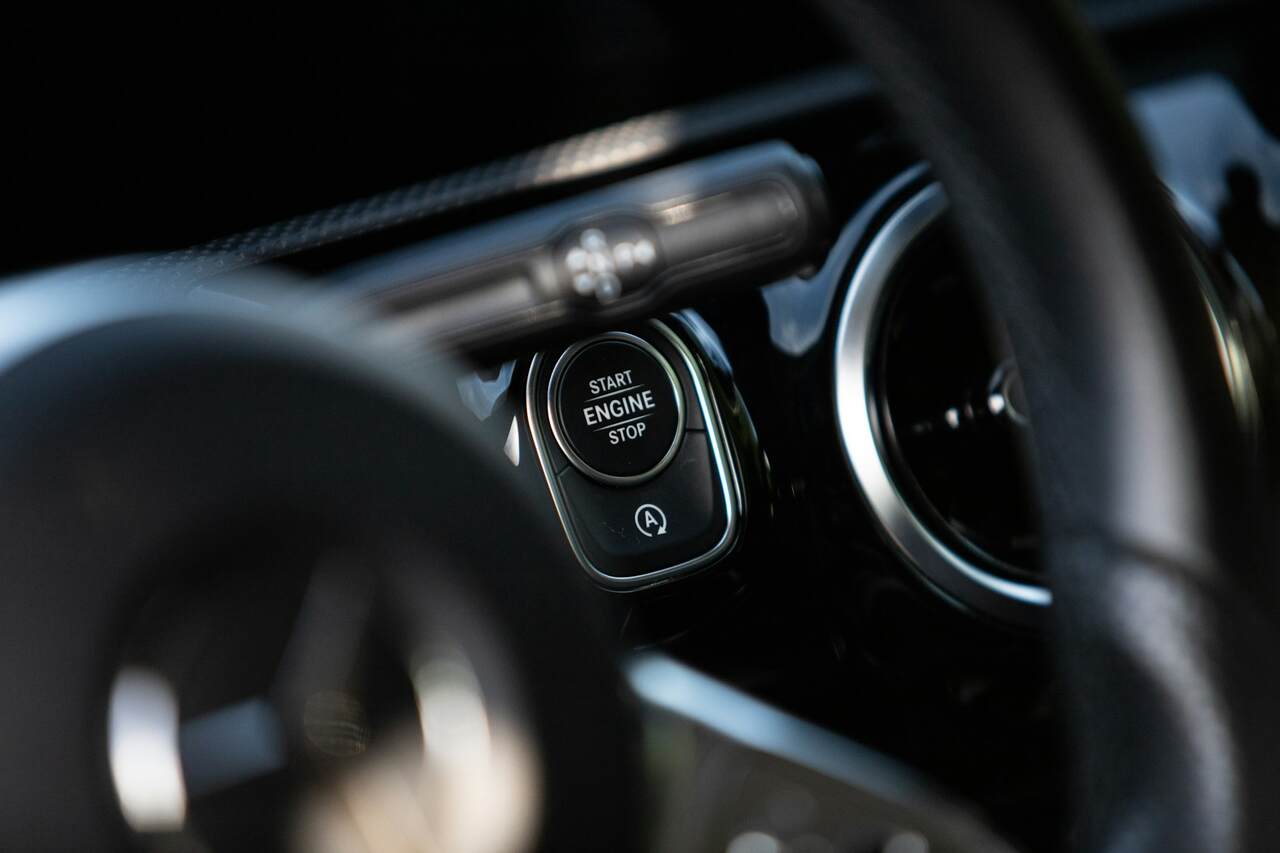
The administration of Donald Trump is reportedly moving to end a policy established by the Obama administration in 2009, a rule that led to the controversial “start-stop” feature in cars.
If successful, Trump could eliminate the Endangerment Finding policy, established by the Obama administration in 2009, which determined that climate change caused by greenhouse gases is harmful to Americans and the environment.
It was this rule that encouraged automakers to develop the car start-stop system. As the name suggests, it works by automatically shutting off the engine after the vehicle detects braking. As soon as the driver presses the accelerator again, the car restarts.
Although it never became mandatory, automakers widely embraced the feature, claiming that in addition to helping reduce emissions in traffic, it also improves fuel economy for drivers. Despite this benefit, the overwhelming majority of drivers dislike the feature.
First, data shows that fuel savings with the feature activated are quite small. Second, many internet users suggest that the function may cause starter components to wear out more quickly, creating a kind of “planned obsolescence.”
Fortunately, most cars equipped with the feature also have a button to disable it. However, the function does not remain permanently turned off, so drivers who do not wish to use it must manually press the button each time they enter the car.
Now, Lee Zeldin, Administrator of the Environmental Protection Agency (EPA), used his social media to speak about possible actions against the feature that “Americans despise.”
“Many have spoken out against this absurd start-stop concept. The Trump Administration heard your calls, and the announcement you’ve been waiting for is coming this week. Stay tuned!” he said on his X profile.
Although Zeldin did not share exactly what the EPA’s plan is, one possible course of action would simply be to eliminate the off-cycle benefits that automakers currently receive for using the start-stop feature.
Whether this will cause the function to disappear entirely remains to be seen. It is worth noting that the EPA never made the feature mandatory, so automakers that chose to adopt it did so voluntarily.
Photo: Unsplash. This content was created with the help of AI and reviewed by the editorial team.
